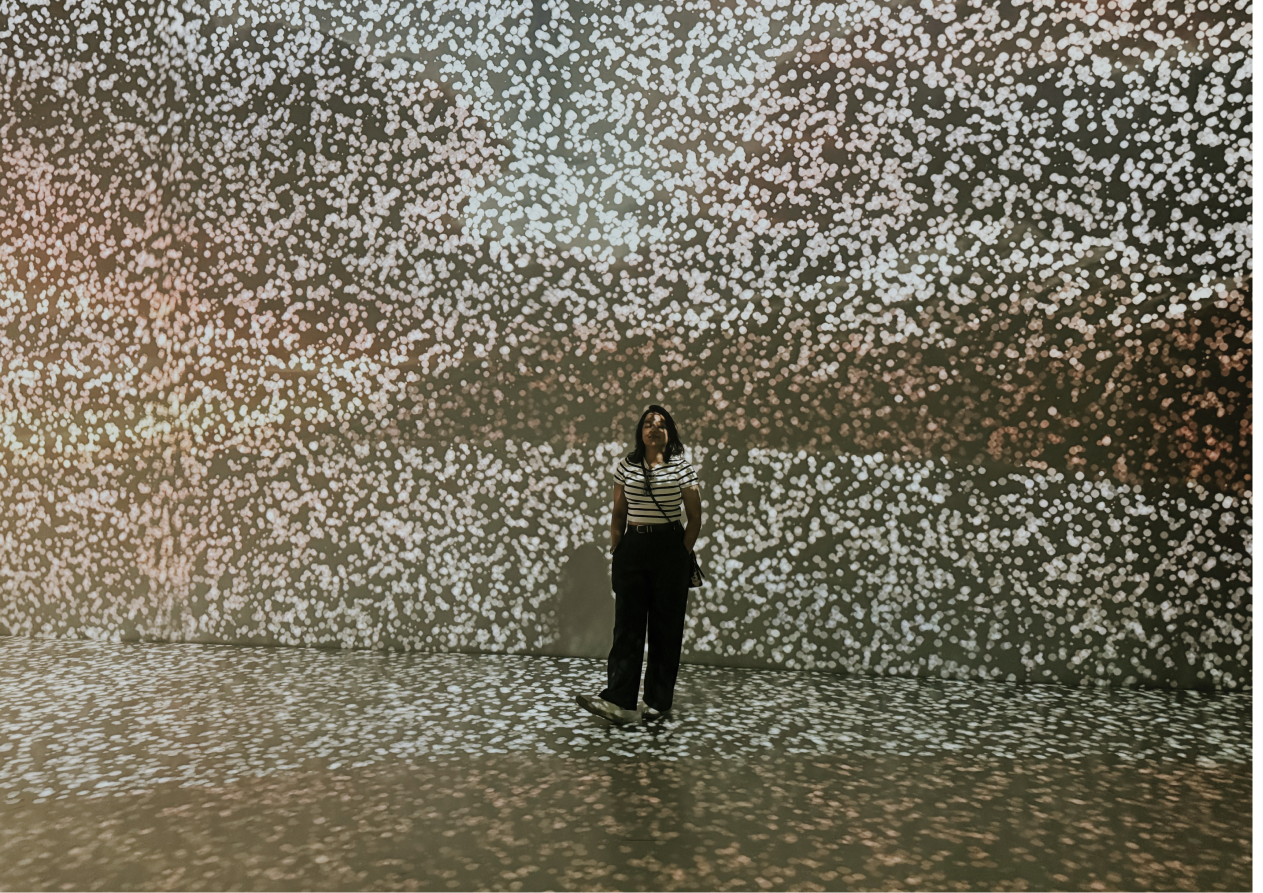
A few years ago, if you’d asked me what it felt like to truly step into a work of art, I might have thought it impossible. Art lived on walls, behind glass, in the hushed halls of galleries. To engage with it, you had to bring your own imagination—a silent conversation between viewer and artist, always at a distance.
But then I found myself in a room where Van Gogh’s Starry Night swirled around me. The stars pulsed, the colors melted into motion, and suddenly, I wasn’t just observing—I was inside his world. It wasn’t a painting anymore; it was a feeling, an experience.
This was my first encounter with an immersive art exhibit, and it was nothing like walking through a traditional gallery. Since then, I’ve sought out these experiences: Frida Kahlo’s life projected onto massive walls, Gustav Klimt’s golden patterns shimmering around me, Bob Marley’s music woven into an interactive celebration of his life. Each time, I left with more than just admiration for the artist—I left with a connection, a memory that felt deeply personal.
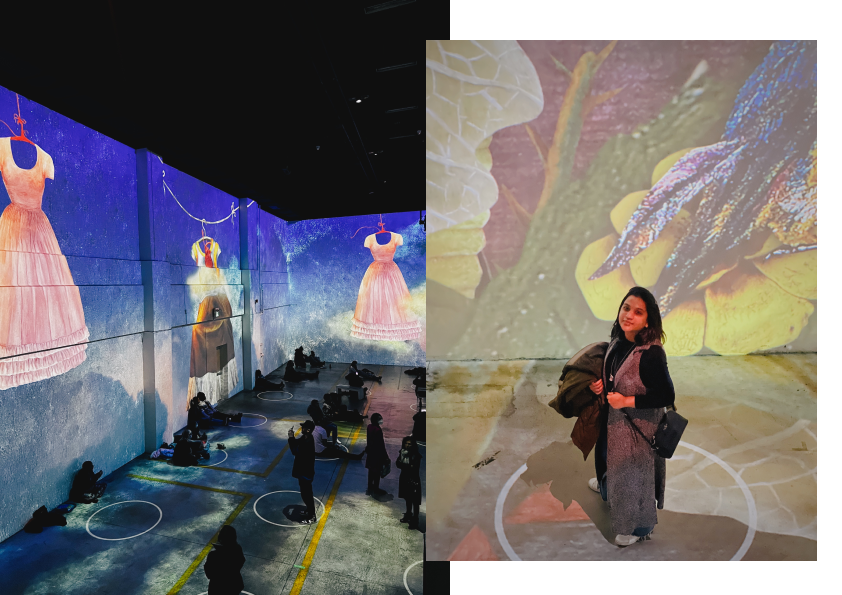
Immersive experiences are changing how we consume art. They’re taking it off the walls and bringing it into our lives, and technology is the bridge making it all possible.
Art Beyond the Frame: A New Way to See, Feel, and Connect
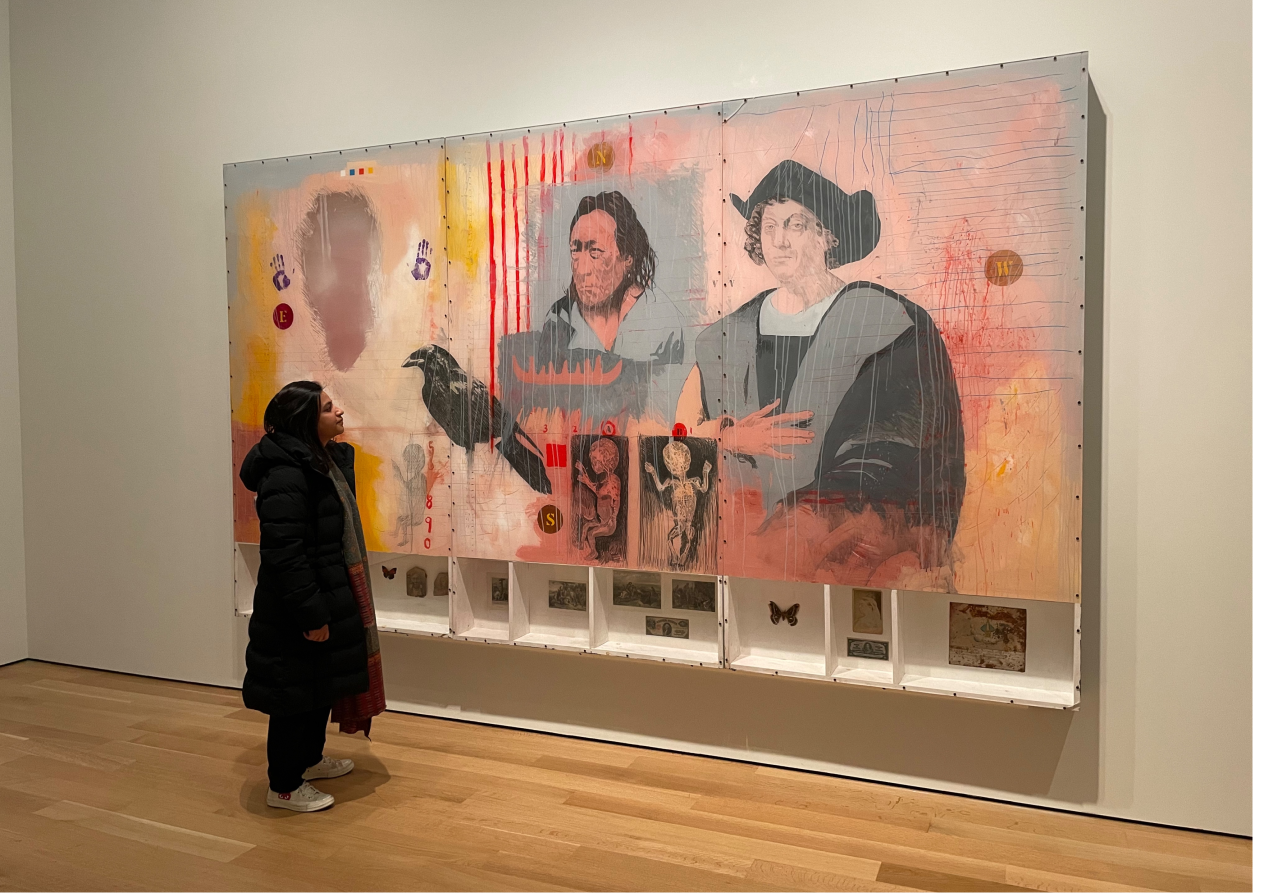
I’ll admit, I’m someone who naturally gravitates toward traditional galleries, but my friends and husband are not. While I appreciate their quiet reverence, I can see how they often feel too detached, too formal. You’re expected to stand, observe, read a placard, and move on. There’s a sense of “look, but don’t touch” that can feel alienating to those who crave a more interactive experience.
Immersive experiences shatter that barrier. They don’t ask you to interpret from a distance—they pull you into the story. You walk through Klimt’s The Kiss and feel enveloped by its warmth. Frida’s voice narrates her own pain and resilience as her iconic self-portraits breathe around you.
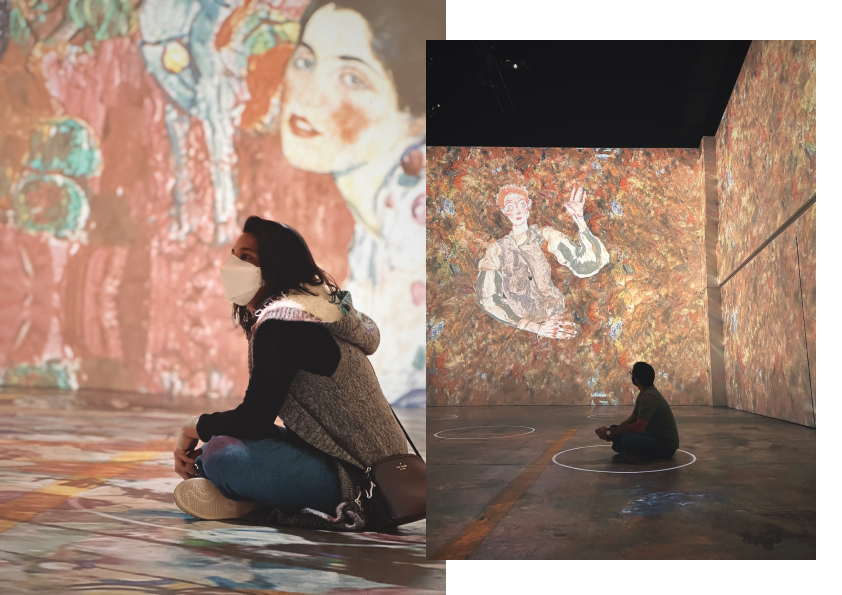
For someone who might never step into a “boring” gallery, these exhibits offer a doorway. They make art accessible in ways that aren’t intimidating. And isn’t that the point of art? To reach people where they are and speak to them in a language they can feel?
Immersion Through Sound and Storytelling
After stepping into immersive art exhibits that surrounded me with visuals, I found myself craving something more—something that engaged beyond sight. That’s when I discovered how immersive experiences were evolving, weaving in sound and storytelling to create deeper, more dynamic encounters.
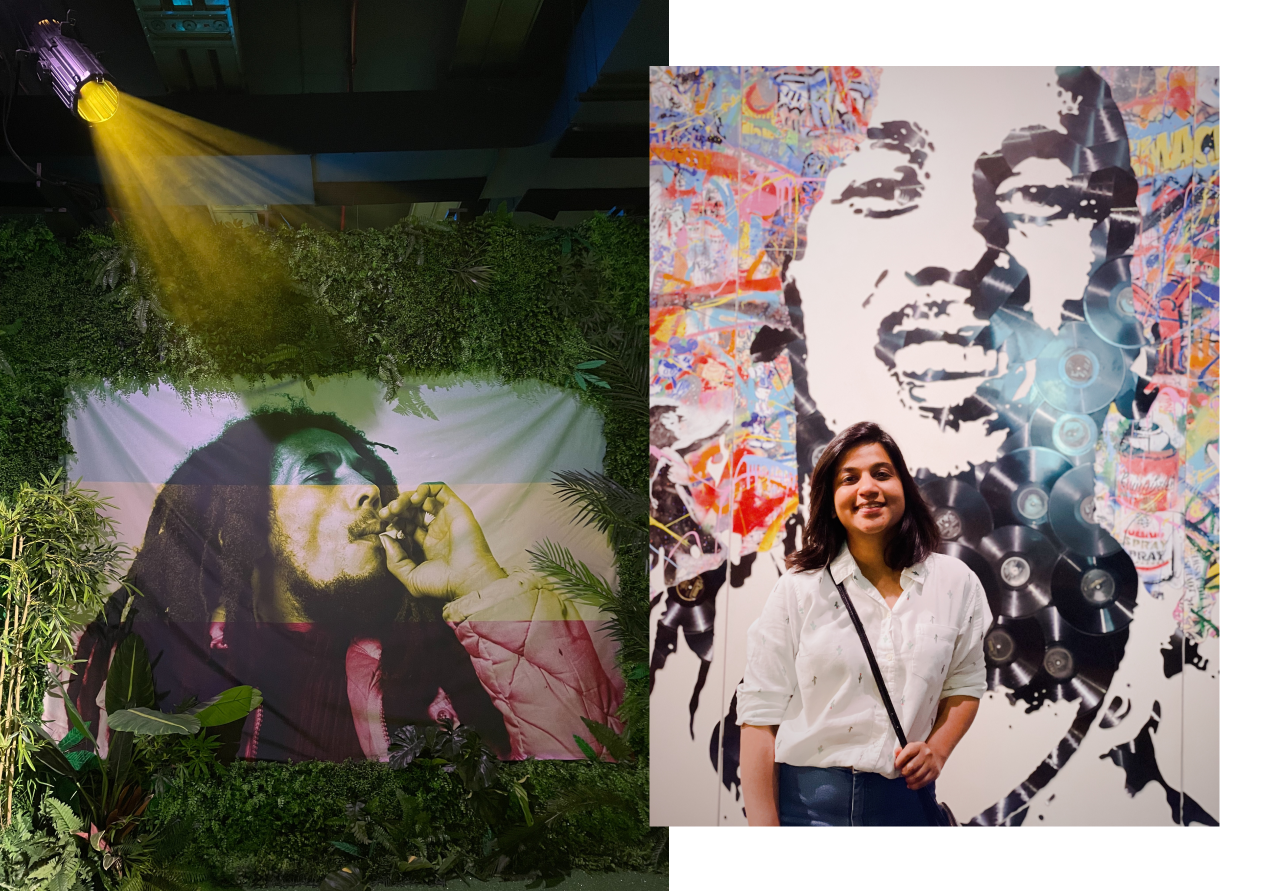
My visit to the Bob Marley One Love Experience in Toronto was a perfect example of this evolution. It wasn’t just about seeing his life unfold on the walls; it was about feeling his music and legacy in a whole new way. With a headset playing his greatest hits, I walked through rooms filled with vibrant imagery, personal artifacts, and cultural memorabilia. Each space was infused with his spirit—his music pulsating in my ears, his influence evident in the art, fashion, and activism on display. It was more than an exhibit; it was a full sensory experience that immersed me in the rhythm of Marley’s world.
Beyond Art: Immersion That Engages All the Senses
Immersive experiences are evolving beyond art galleries and digital projections, transforming the way we interact with the world around us. They’re no longer just about visuals—they engage our senses, emotions, and perceptions in ways that make us feel part of something bigger.
I experienced this shift firsthand during a recent trip to New York in 2024 when I visited SUMMIT One Vanderbilt. From the moment I stepped into the elevator, I knew this wasn’t just another observation deck. The pulsing sound of a heartbeat filled the space, syncing with my own anticipation as I ascended skyward. It set the tone—this wasn’t just about seeing the city; it was about feeling it.
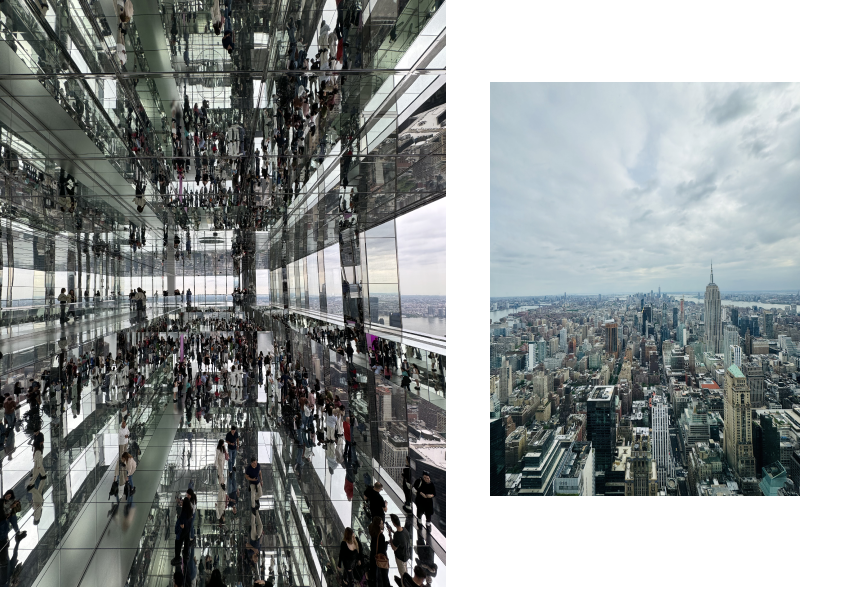
Inside “Air,” an infinity room of mirrors, New York stretched endlessly around me. My reflection, the skyline, and the soft glow of lights merged into a surreal, dreamlike expanse. It wasn’t just a view; it was an illusion that played with my senses, making me question where I ended and the city began.
In another room, clusters of silver orbs floated and bounced playfully, inviting me to interact. As I pushed them gently, they responded with smooth, weightless motion, adding a tactile element to the experience—turning passive observation into active engagement.
Then came “Levitation,” a glass ledge hanging over the streets far below. Standing there, with only a transparent barrier between me and the city, was a rush—equal parts exhilarating and unsettling. It wasn’t just about looking down; it was about confronting my own sense of space and gravity.
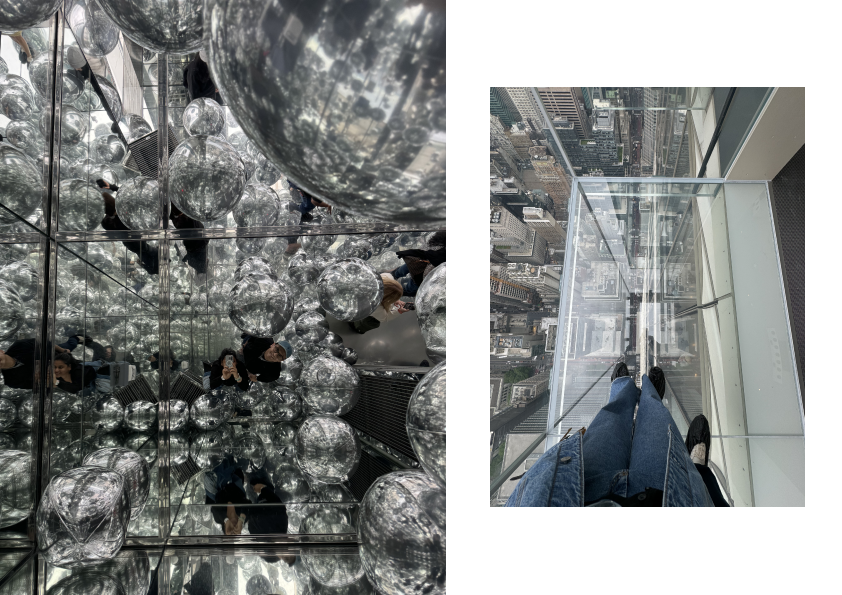
SUMMIT made me realize that immersive experiences are moving beyond traditional spaces—they’re transforming how we engage with architecture, space, and even ourselves. It’s no longer just about what we see; it’s about how we connect, interact, and feel in the moment.
The Next Frontier: Immersion Through AR and VR
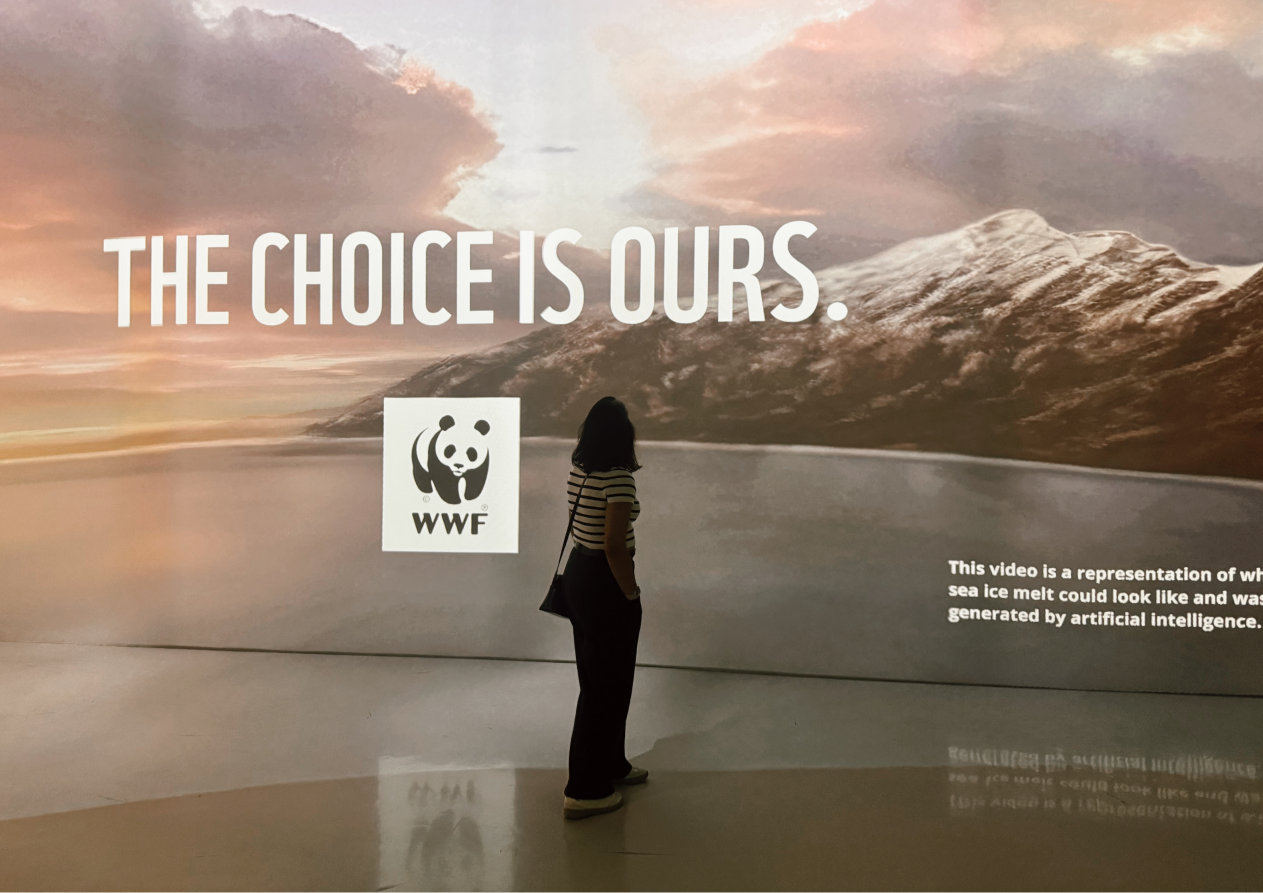
A recent visit to Arcadia Earth in Toronto opened up a whole new frontier of possibilities for immersive experiences. Unlike the immersive art exhibits I had explored before, this experience went beyond visual spectacle—introducing augmented reality (AR) and virtual reality (VR) to create something even more engaging. With a mobile app for AR and headsets for VR, Arcadia Earth took immersion to a whole new level, blending technology with storytelling in a way that felt both personal and thought-provoking.

Walking through the exhibit, I found myself surrounded by massive installations—glowing coral reefs crafted from recycled materials, pulsating light displays, and towering walls of plastic waste. But the real transformation happened when I used the Arcadia Earth app. Scanning different parts of the exhibit brought them to life—floating animations revealed the environmental impact of plastic pollution, and digital overlays painted a stark picture of climate change’s consequences. Suddenly, the static displays became interactive lessons, making the message more urgent and personal.
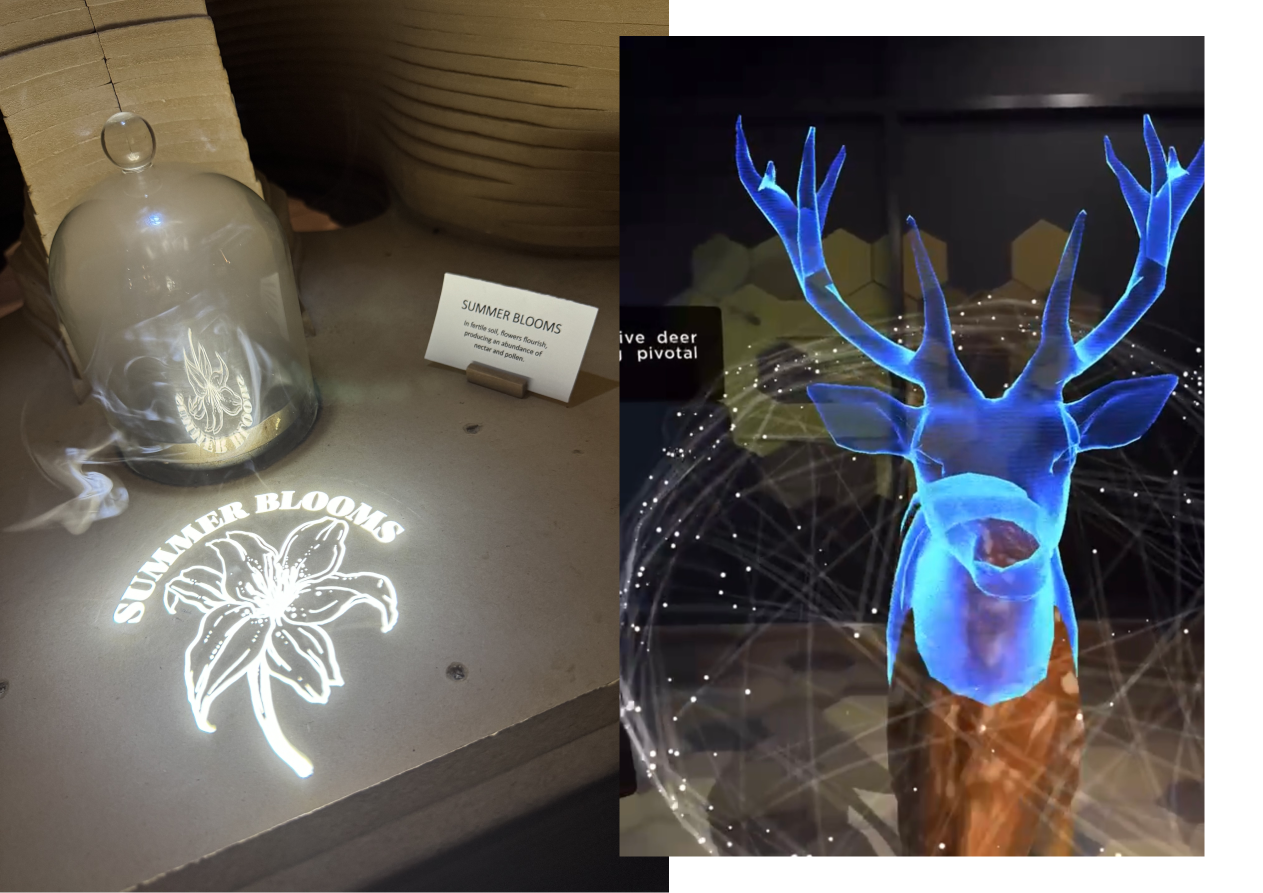
The VR experience, however, took it a step further. Putting on the headset, I was transported into the natural habitats of different animals, standing face-to-face with them in their environments. From the gentle gaze of a majestic elephant to the sudden appearance of a shark, each encounter felt surreal—offering an intimate glimpse into the beauty and vulnerability of these creatures. It wasn’t just informative; it was emotional. Seeing these animals up close in a way I never could in real life made the urgency of conservation efforts feel tangible and immediate.