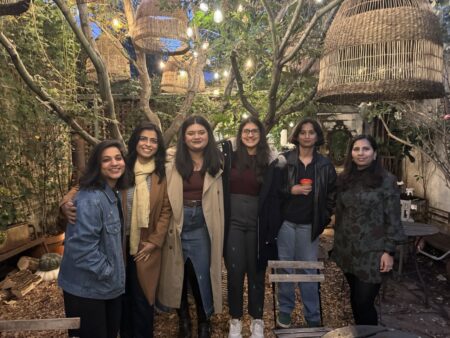
It was one of those stormy winter weekends where the snow refused to let up. The kind of snowfall that makes you question whether you should just stay home, curl up with tea, and watch something predictable on Netflix. Instead, I found myself bundling up, stepping into the cold, and making my way to the Four Seasons Centre to experience something I’d never seen before – an Opera.
I had been invited by the Canadian Opera Company to watch Madama Butterfly, a classic in the opera world. I didn’t know exactly what to expect, but I was excited. Opera always seemed like something grand, something larger than life. And as I walked into the theater, brushing off snowflakes, I felt a sense of anticipation that I hadn’t felt in a while.
Opera Is an Experience Unlike Any Other
The moment the orchestra started playing, I understood why opera has been around for centuries. The music fills the room in a way that’s almost impossible to describe – it’s not just sound, it’s emotion. The voices of the performers don’t just carry the story; they make you feel it in your bones.
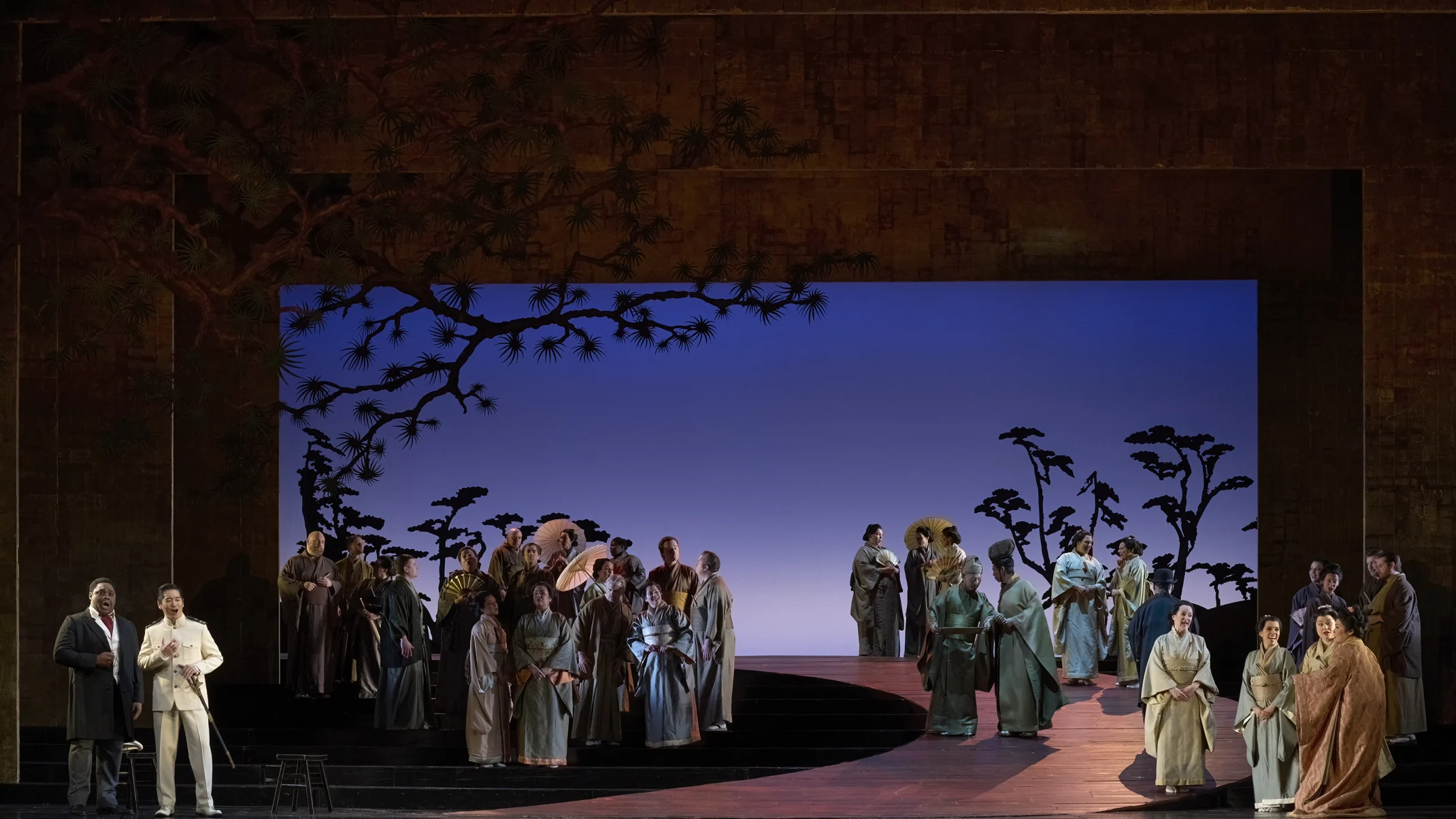
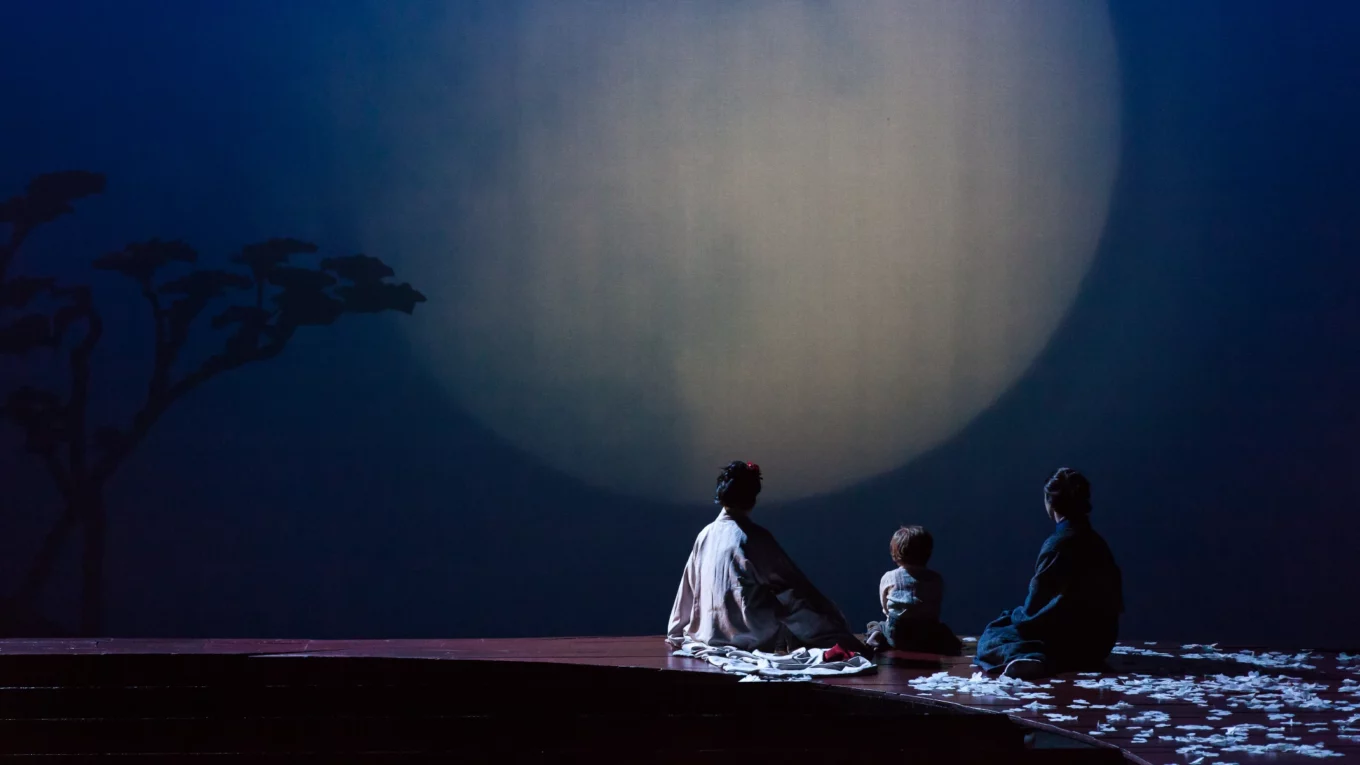
And the production itself? Stunning. The set, the costumes, the way every tiny detail comes together to create a world on stage—it’s an art form that deserves to be experienced at least once. There’s something special about being in that space, watching a live performance unfold, knowing that no two performances are ever the same.
For younger audiences who think opera might be too stuffy or outdated, I’d argue the opposite. It’s immersive, it’s emotional, and it’s a reminder that storytelling doesn’t have to rely on flashy effects or binge-able episodes to be powerful.
Why Madama Butterfly Remains One of Opera’s Most Performed Works
Despite my issues with the story (which we’ll get to), there’s a reason Madama Butterfly has endured for over a century. It’s not just popular – it’s one of the most frequently performed operas in the world. And that’s because, on a technical and artistic level, it’s a masterpiece.
-
The Music Is Hauntingly Beautiful – Giacomo Puccini, the composer of Madama Butterfly, was a master of melody. His sweeping, emotional score is what keeps audiences coming back. From the delicate, shimmering orchestration in Cio-Cio-San’s arias to the heart-wrenching finale, the music alone is enough to make an impact.
-
The Production Is Always Grand – Opera houses around the world put incredible effort into staging Madama Butterfly. The rich sets, traditional costumes, and atmospheric lighting all contribute to the opera’s immersive experience. It’s a visual and auditory spectacle.
-
It’s an Emotional Journey – Regardless of how one feels about the story itself, Madama Butterfly is undeniably powerful. It tugs at emotions, builds tension masterfully, and leaves audiences with something to think about.
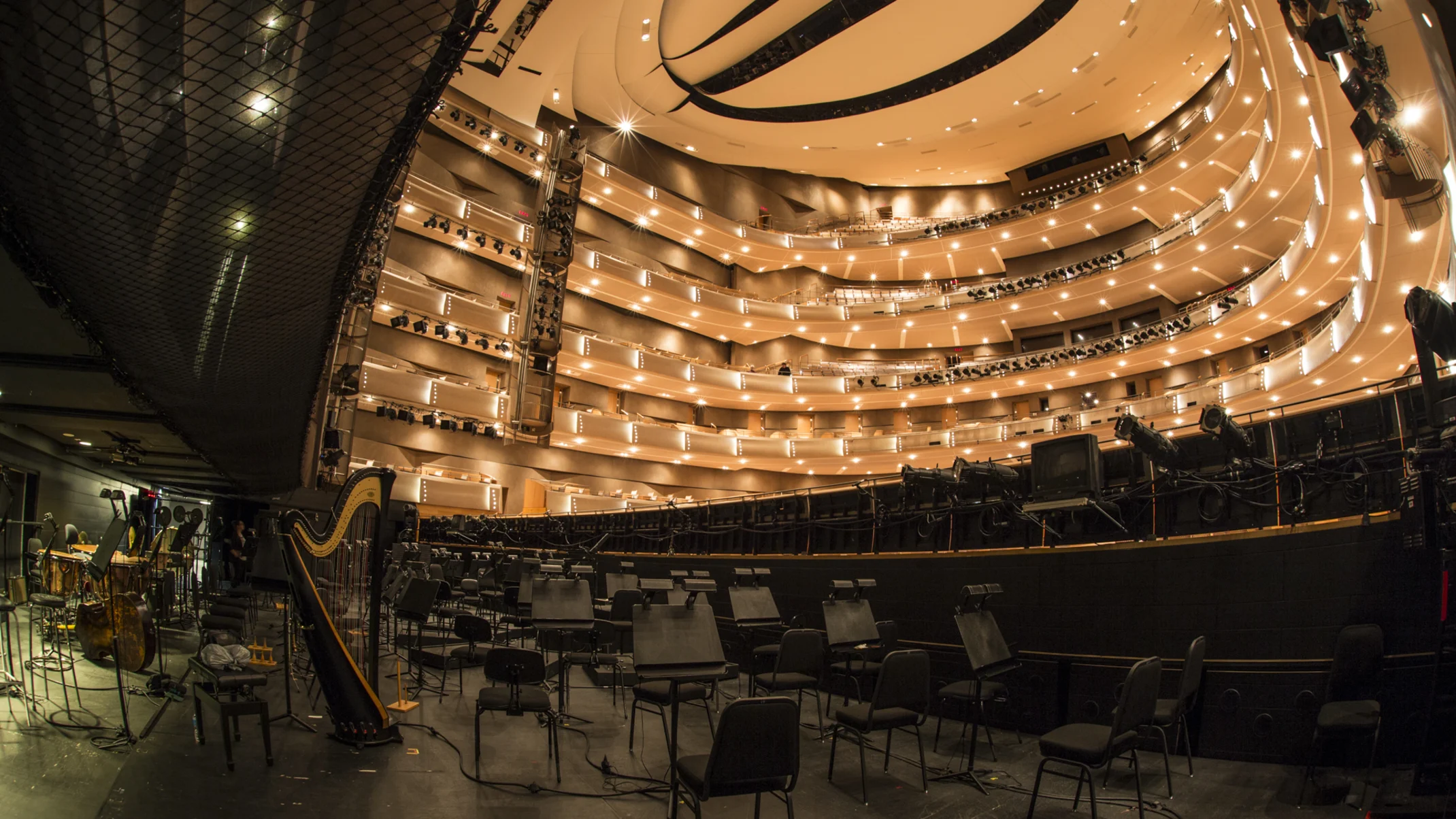
These elements are why people continue to watch Madama Butterfly – because the art itself is breathtaking. But that brings us to the core issue: what happens when a beautifully crafted work of art carries a message that feels outdated?
The Problem with Madama Butterfly
While Madama Butterfly is musically stunning, its storyline is where it becomes complicated. The opera tells the story of Cio-Cio-San, a young Japanese woman who falls in love with an American naval officer, Pinkerton, only to be abandoned and left in a tragic fate.
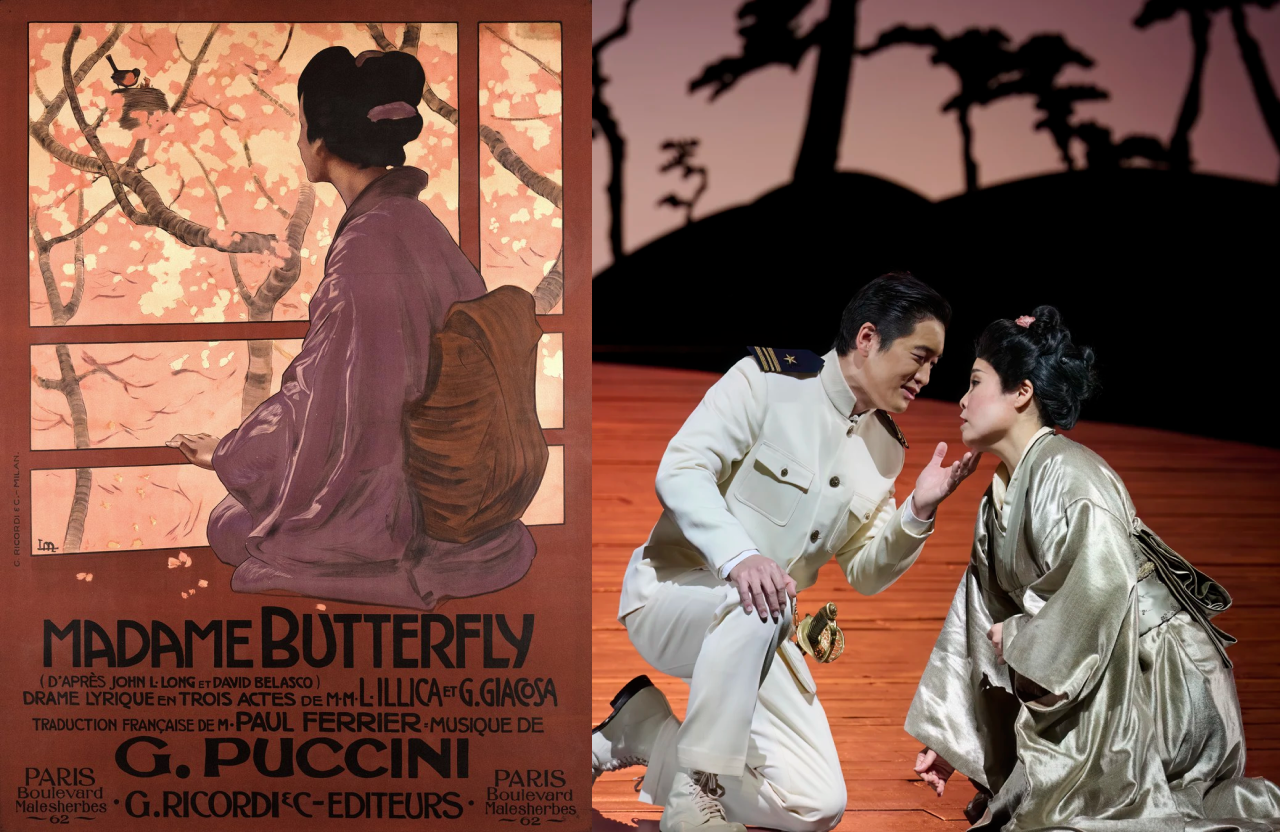
When it premiered in 1904, this story fit into a Western fantasy about the “exotic East,” reinforcing stereotypes about Asian women as delicate, submissive, and doomed to heartbreak. Over the years, Madama Butterfly has been criticized for its racial and gender dynamics – painting Cio-Cio-San as a passive victim and glorifying a deeply problematic relationship.
For younger audiences today, the story feels jarring. We live in an era where we challenge outdated narratives, where we seek complex, empowered female characters, and where we recognize the importance of ethical storytelling.
Why Talking About This Matters
This isn’t to say that Madama Butterfly should be canceled. If anything, its continued popularity makes it even more important to discuss. Art isn’t just about celebrating what’s perfect – it’s about questioning, evolving, and engaging with the stories we inherit.
Opera, like all art forms, reflects the society that created it. And in 1904, Madama Butterfly reflected Western perceptions of Japan, gender roles, and romance. But today? We see things differently. That’s why it’s valuable to have conversations like this – to examine what worked then, what doesn’t work now, and how we can bring new perspectives to old stories.
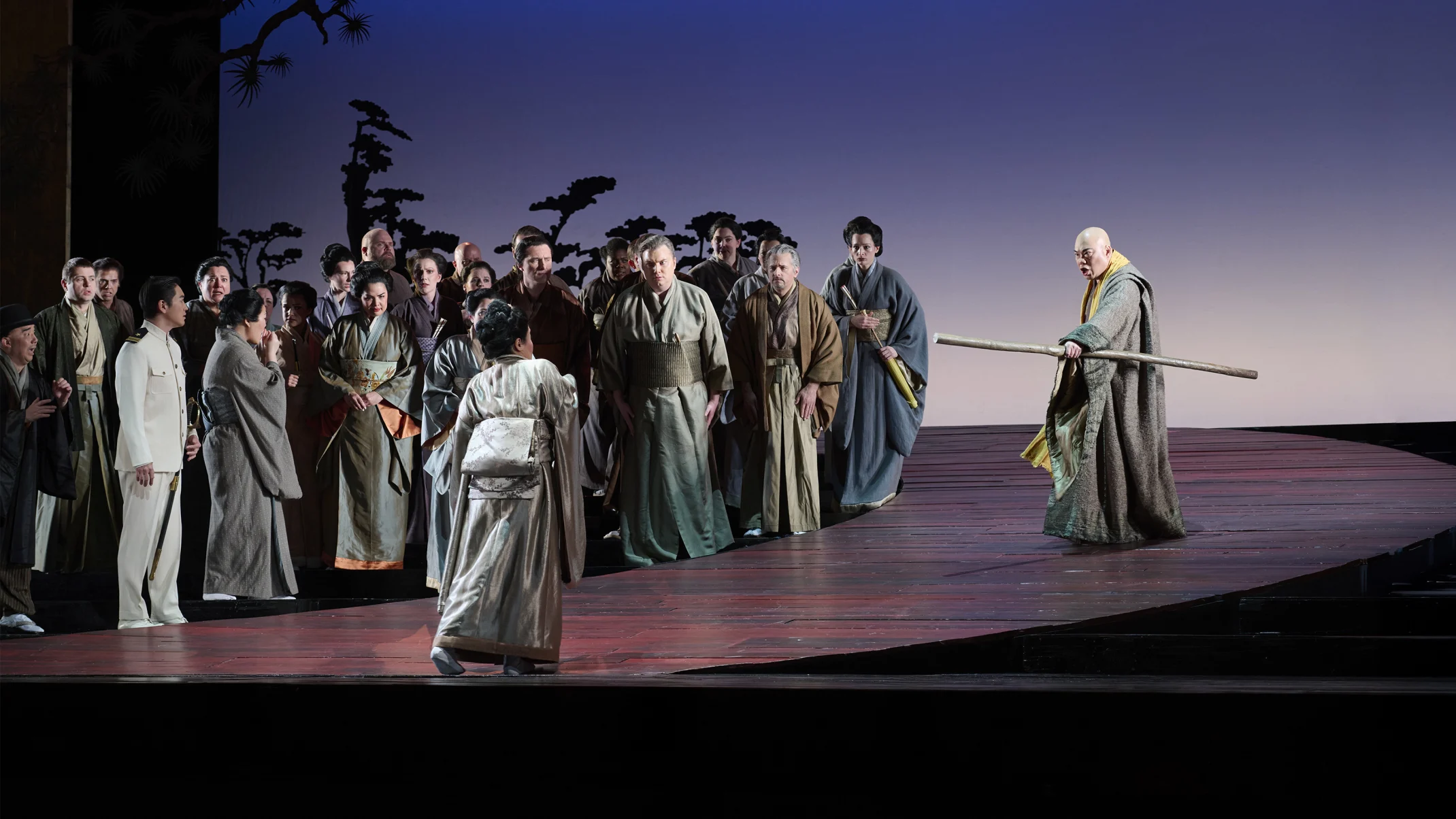
Some opera houses have begun reimagining Madama Butterfly, shifting its focus or adjusting its narrative framing. And that’s exciting. Because if opera wants to remain relevant to younger audiences, it has to evolve – not just musically, but thematically.
Why Young People Should Still Go to the Opera
Despite my critiques of Madama Butterfly, I still walked away from the experience in awe. Opera is something special, and it’s worth experiencing firsthand, even if just once. Not every story will feel modern, but that’s part of the conversation – what stays timeless, and what needs to change?
So, to any young person who has ever been curious about opera but wasn’t sure if it was for them – I say go. Dress up (or don’t), soak in the atmosphere, and let yourself be moved by the music. You might be surprised by what stays with you long after the final note.
As for me? I’ll definitely be back for another opera – preferably one with a story that feels as powerful as the music itself.

What’s Next? More Immersive Experiences in Toronto
Loved this opera journey? Toronto has plenty of unique experiences to explore! Check out my guide to the best immersive experiences in the city.